Each part of a car has a specific function and duration of use. Drivers will travel more safely and conveniently if they are aware of the lifespan of automotive and/or vehicle parts.
A vehicle’s ability to function well if all parts are working well. Several parts of the vehicle have different lifespans, especially parts that are prone to wear like brakes.
According to statistics, a driver will apply the brakes more than 75,000 times each 16,000–25,000 km. This number shows how often the brakes are used and how important they are during driving.
According to automotive technical experts, brakes are the most important part to ensure the safety of your car. In many cases, the car is not safe when the brakes are faulty. Many accidents that occur are related to brake problems such as brake failure, brake lock, fluid leak, etc
Why Do Car Brakes Wear Out Faster?
Even though there are numerous unforeseen risks involved, often driving with worn car brakes can harm connected components. The brake system is seldom given much attention despite being an essential component of a car. Car owners find it challenging to monitor the brake because it is concealed behind the wheel.
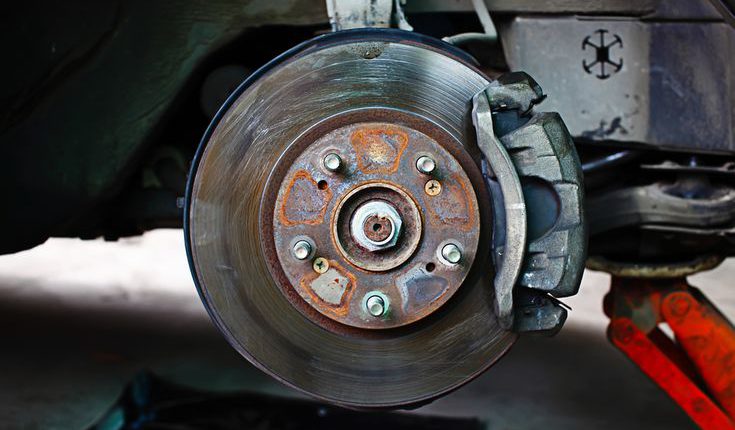
How to prolong the brake lifespan, ensuring parts last longer before replacement? (Photo: pinterest.com)
The following reasons cause brakes to wear out faster.
Not checking and maintaining the brakes periodically.
There was a collision that causes the brake disc to deform.
The car brake pedal is too small.
Contaminated brake fluid with other liquids like water etc.
Damaged brake pad spring
Malfunction cylinder, and damaged rubber gasket, warping.
Rusted or worn-out brake drum.
How To Make Car Brakes Last Longer
Brake pads typically last between 120,000 and 150,000 miles, which translates to 3 to 5 years of operation. However, the brake pads will last less time in vehicles that routinely carry big loads since the driver constantly presses the brake pedal. When an unsuspected incident occurs, the effectiveness of the brake system determines how safe the vehicle will be.
Therefore, you need to pay more attention to changes in the brake system such as squeaking, and screeching when stepping on the brake pedal. For the safest operation of the vehicle, you should service the rear braking system for at least 20,000 km.
Ideally, let’s follow these easy tips to increase the brake life:
Maintain the gap with other vehicles when driving.
It is not only riskier to drive too closely to the car in front, but it is also a big factor in brakes wearing out more quickly. The more closely you follow the vehicle in front of you, the more often you have to use the brakes, and this includes emergency braking.
Therefore, make sure you have enough distance from the vehicle in front of you to make it easier to stop and reduce brake wear.
Replace brake fluid.
It’s crucial to check and maintain your car’s brakes, especially by changing the brake fluid, to guarantee that your brake system is functioning properly. According to automotive experts, brake fluid contains corrosion inhibitors and antioxidants. The structure of these substances deteriorates over time, causing metal corrosion and deposit buildup that prevents braking fluid from flowing properly.
Brake fluid supports the transmission of force from the brake pedal to the brake system components. Brake fluid also lubricates, reducing friction, and preventing corrosion, helping cars operate optimally.
Manufacturers recommend that you replace the brake fluid every two years or every 30,000–40,000 kilometers. However, you can change the brake fluid early if your vehicle is driving continually in dusty, humid circumstances carrying heavy loads or if you frequently apply the brakes.
Do not overload your vehicle.
Any car that is overloaded will have a harder time stopping and may end up with brake system damage. The vehicle’s weight has an impact on how quickly the shoes and brake pads press on the revolving disc to stop it. Continuos overloading can harm the revolving disc, cause catastrophic accidents, and wear out the brakes. To ensure that your brakes work properly, try to remove any extraneous items and refrain from loading your automobile beyond what is essential.
Cooling your brake.
Braking systems at high temperatures for a longer period of time can affect the functioning or even damage braking components over time. That’s why brake cooling is very important. In various circumstances, such as after driving downhill, on a curving route, or at high speed, the brakes will overheat.
Essentially, as you apply the brakes quickly or frequently, they heat up and radiate heat to various parts of your brake system, including the brake calipers, brake pads, rotors, and brake fluid.
To cool your brakes, you should drive at a reasonable speed e.g. effectively 45mph without applying the brakes for an extended period of time, which is ideally 3-5 minutes. The brake will eventually cool down. As long as the brakes are not in use, the air that circulates around your brake calipers and over the brake rotors can effectively cool the brakes.
If you are not in a location where you can drive the vehicle without using the brakes, you must reduce your speed and lightly press the brakes.
Try the engine brake
Never undervalue the value of applying engine braking. When going downhill, especially when driving large trucks, some of this weight tends to pool the vehicle down.
Unintentional vehicle acceleration is often, and braking is a must for all drivers. Try braking the engine and letting the engine do all the work rather than fully pressing the brake pedal!
Maintenance.
Parts that are susceptible to wear and tear might have their lives extended by properly maintaining the brakes. Sometimes it’s necessary to disassemble, clean, lubricate, and reassemble components. This maintains the brake system’s effectiveness and safety and guarantees the proper operation of all system parts. A healthy brake system will have a long life.