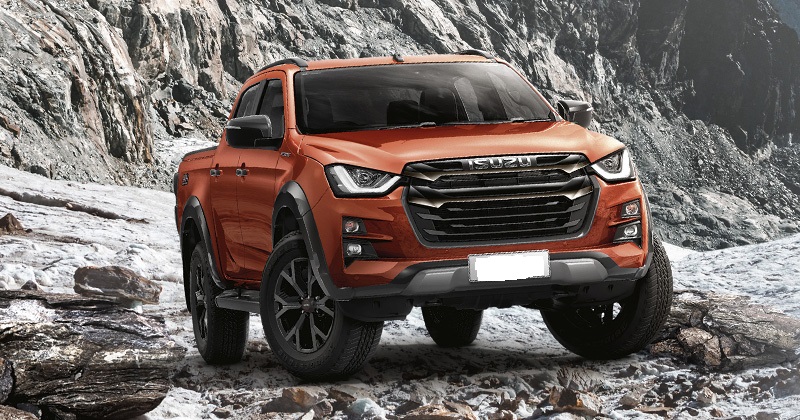
AWD (All-Wheel Drive) and 4WD (Four-Wheel Drive) are two different drivetrain systems commonly used in vehicles. While both systems distribute power to all four wheels, there are some key differences between them.
One of the main differences is the way power is distributed to the wheels. AWD systems are designed to automatically distribute power to the wheels with the most traction, which helps improve grip and stability on various road conditions. On the other hand, 4WD systems typically operate in two modes: two-wheel drive and four-wheel drive. In two-wheel drive mode, power is usually directed to either the front or rear wheels, while in four-wheel drive mode, power is sent to all four wheels simultaneously. This allows for better off-road capabilities and increased traction in challenging terrains.
Another difference lies in their application. AWD systems are commonly found in passenger cars, crossover SUVs, and some sports cars. They are designed to enhance overall performance and provide better handling on the road. 4WD systems, on the other hand, are typically used in off-road vehicles, trucks, and SUVs that require more robust capabilities for traversing rugged terrains and towing heavy loads.
It’s worth noting that AWD systems are generally more fuel-efficient than 4WD systems. This is because AWD systems typically engage only when additional traction is needed, while 4WD systems are more constant in their power distribution. Additionally, AWD systems are often lighter and less complex, resulting in improved fuel economy.
In conclusion, while AWD and 4WD systems both distribute power to all four wheels, they differ in terms of their power distribution methods and intended applications. AWD systems are more commonly found in passenger vehicles and prioritize improved grip and stability, while 4WD systems are often used in off-road vehicles and prioritize all-terrain capabilities.